







Search Results for: Kamoini Washed
Front Street Kenya Nyeri Kamoini Washed Coffee: Plum and Grape Flavors with Specialty Processing Craftsmanship
This Kenya Nyeri Kamoini washed coffee from Front Street Coffee is a standout among specialty Kenyan beans. It gives off a bright citrus aroma, with lemon and lime interwoven with notes of tomato, cranberry, black tea, and white grape, plus a champagne-like effervescence on the palate. Such a refined flavor stems from the Red Cherry Project's dedication to quality and the Kamoini washing station's meticulous control over picking, washing, fermentation, and drying. This article will walk you through the Kamoini washing station's geographical advantages, green bean characteristics, and variety background, and taste this limited-edition coffee's plum, raisin, and sweet finish. [more…]
Kenya Nyeri Mahiga AA TOP Coffee Beans: A Detailed Look at Its Wild Flavors and K72 Washing Process
Want to understand the unique charm of Kenyan AA coffee? This article will take you deep into the Mahiga processing plant in the Nyeri region, revealing how the Othaya Farmers Cooperative Society it belongs to achieves top-tier coffee through strict quality control. From SL28 and SL34 varieties to the K72 double wash process, and on to the black plum, berry, and chocolate syrup flavors displayed in the cup, we offer a detailed analysis of this wildly distinctive Kenyan AA TOP-tier Mahiga. At the same time, Front Street Coffee’s Kenyan Cherry Tomato is a recommended product that lets you easily experience the wonderful taste of juicy texture interwoven with floral aromas. [more…]
Kenyan Coffee Beans | Introduction to the AA Grading and Flavor Characteristics of Kenyan Coffee Beans
For more specialty coffee knowledge, please follow: Front Street Coffee (Frontsteet Coffee) Kenya AA coffee has always been regarded as one of the best specialty coffees in the world. For some friends who are not very familiar with Kenyan coffee, Front Street is often asked what AA means. Besides [more…]
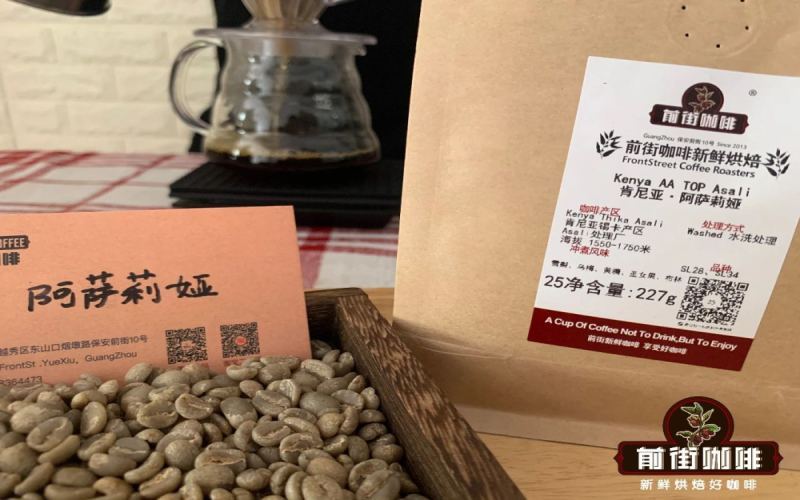
A Comprehensive Guide to Kenyan Coffee Bean Grading Standards: AA and PB Grades, Flavor Differences, and Front Street Recommendations
Kenya AA coffee is often hailed as one of the world's top specialty coffees, but what exactly do the letters AA and PB stand for? This article systematically breaks down the grading system for Kenyan green coffee beans, including the meaning and specifications of each grade—E, PB, AA, AB, C, TT, T, and MH/ML—and takes a deep dive into the flavor differences between AA and PB peaberry beans. Drawing on years of roasting experience, Front Street Coffee uses an Ichamama Peaberry as an example to share its roasting approach and cupping performance, while also offering brewing parameter recommendations for Kenya AA, helping coffee lovers gain a comprehensive understanding of what to look for when buying and tasting Kenyan coffee. [more…]
How Is Kenyan Coffee PB Peaberry Different from AA Grade? A Comprehensive Analysis from Grading System to Flavor and Mouthfeel
Kenyan coffee is renowned worldwide for its outstanding quality, but what exactly do the letters AA and PB represent? From the perspective of Front Street Coffee, this article systematically sorts out Kenya's coffee grading system, including the meaning and distinguishing criteria of each grade: E, PB, AA, AB, C, TT, T, and MH/ML. At the same time, Front Street takes a batch of Peaberry from the Ichamama Factory in the Nyeri region as an example, documenting in detail the complete process from green bean information and cooperative background to roast curve design and cupping flavors, and conducts a brewing comparison with Kenyan AA coffee beans, helping readers gain a deeper understanding of the actual differences in taste and flavor between PB Peaberry and AA coffee beans. [more…]
A Complete Guide to Kenyan Coffee Bean Grades: AA, PB, E Explained with a Roasting Log of Ichamama Peaberry
Kenya AA coffee occupies a pivotal position in the global specialty coffee landscape, yet the letter grades surrounding it are often confusing. What exactly do these codes—E, PB, AA, AB, C, TT, T, MH/ML—mean? From the perspective of Front Street Coffee, this article systematically sorts out Kenya's grading system based on raw bean screen size, and takes an in-depth look at a Peaberry from the Ichamama Factory in the Nyeri region, presenting the unique charm of Kenyan PB in full through raw bean information, cooperative background, four-roast comparison experiments, and cupping performance. At the end, it also includes Front Street Kenya Small Tomato AA's brewing parameters and flavor description, offering readers an intuitive AA vs. PB reference. [more…]
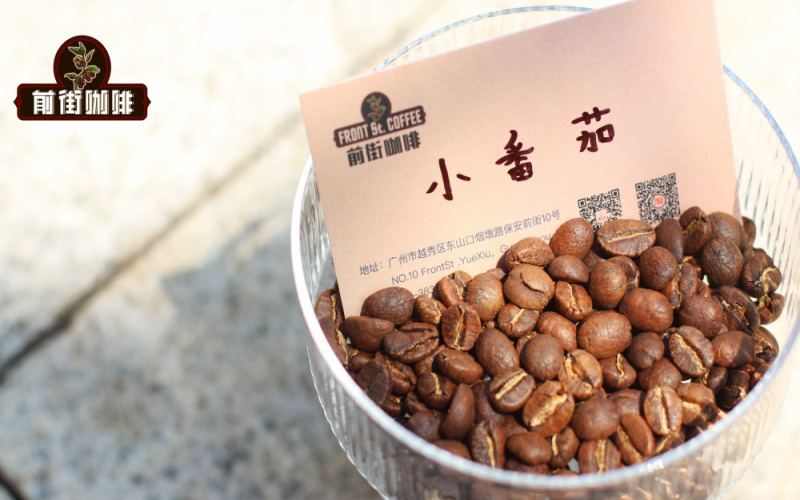
Why Are Kenyan Peaberry PB Beans So Rare? A Comprehensive Guide to Kenya's Coffee Grading System and Flavor Differences
Kenya AA is often regarded as the representative of African specialty coffee, but besides AA, the letters PB also appear frequently on Kenyan coffee labels. PB stands for Peaberry, a rare form in which a coffee cherry contains only a single seed, accounting for about 5% of Kenyan coffee. This article will systematically sort out the grading standards for Kenyan coffee, from E-grade Elephant Beans to AA, AB, C, TT, T, and even MH/ML, explaining the basis for each classification and the differences in specifications one by one. At the same time, combined with a Nyeri Ichamama Pearl Peaberry purchased by Front Street Coffee, it will provide an in-depth introduction to its producing region background, processing method, and roasting approach, and through a cupping comparison with Kenya AA, present the mellow and soft flavor characteristics of Peaberry along with brewing suggestions. [more…]
A Detailed Guide to Kenyan Coffee Bean Grading: The Meaning of AA and PB, Flavor Differences, and Front Street Coffee's Roasting and Brewing Practices
Kenya AA is often hailed as one of the finest specialty coffees in the world, yet many coffee enthusiasts still have questions about what the letters AA, PB, and others actually mean. From the perspective of Front Street Coffee, this article systematically reviews Kenya's green bean grading system, explaining the definitions and origins of the E, PB, AA, AB, C, TT, T, and MH/ML grades, and takes an in-depth look at a Kenyan PB peaberry from the Ichamama processing factory in the Nyeri region, covering origin information, cooperative background, roasting experiments, and cupping performance. It then presents the flavor differences between the two through a brewing comparison with Kenya AA, helping readers gain a more comprehensive understanding of Kenyan coffee's grades and flavor characteristics. [more…]
Analysis of the Three Major Branches of Washed Coffee: Differences Between Traditional Washed, Double Washed, and Dry Washed Processing and Kenyan Flavor Characteristics
Coffee processing methods go far beyond just traditional washed—branches like dry washed and double washed each have their own intricacies. Traditional washed was born in 19th-century Jamaica, using a depulper and abundant water to shorten drying time, resulting in a clean, transparent cup; double washed originated in Kenya, adding an extra soaking step that gives rise to the K72 process and a full-bodied tomato and dried plum profile; dry washed, meanwhile, replaces large amounts of water with fermentation tanks, yielding flavors similar to honey processing. This article breaks down the origins, procedures, and flavor differences of these three washed methods one by one, and includes recommendations for Front Street Coffee's washed beans to help you find the cup that suits you. [more…]

A Complete Guide to the Washed Processing Family: Process Differences from Traditional Wet Processing to Double Washed, K72, and Dry Fermentation
As the most classic method of green bean processing, the washed method has won the favor of many coffee lovers with its outstanding cleanliness. With the development of specialty coffee, new names such as double washed, K72 washed, and dry-fermented washed have emerged on the market. How exactly do they differ from conventional washed processing? This article will start with the historical origins of the traditional wet process and gradually break down the operational procedures and flavor characteristics of these derived techniques, helping you clarify the logic behind different washed methods. Front Street Coffee will also combine its own production experience to help you understand how the fermentation stage shapes the acidity and sweetness of a cup of coffee. [more…]
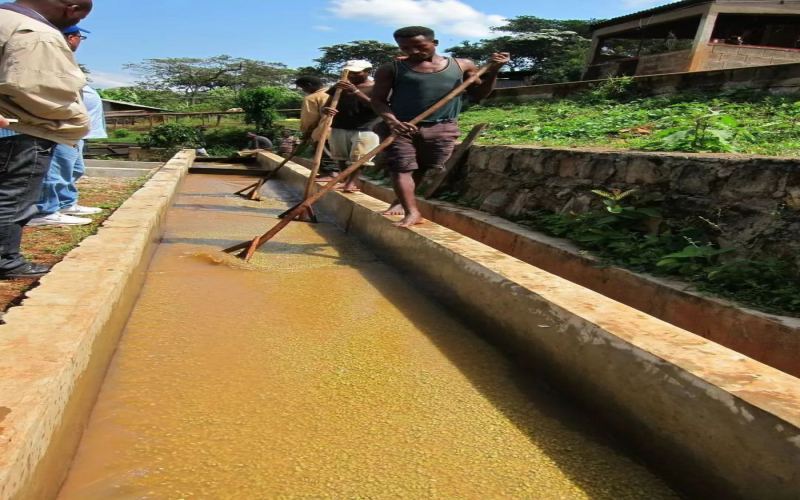
A Detailed Guide to Coffee Washed Processing: From Traditional Wet Processing to the Process Differences of K72 and Double Washed
As one of the most traditional methods of processing green coffee, the washed method has long been favored by coffee enthusiasts for the cleanliness and consistent quality that come from the depulping and washing steps. With the growth of specialty coffee, a variety of new names have appeared on the market, such as "double washed," "K72 washed," and "dry-fermented washed." How exactly do they differ from traditional washed coffee? In this article, from the perspective of Front Street, we will trace the historical origins and process characteristics of the washed method, and then examine one by one the fermentation details and flavor profiles of these derivative processing methods, helping readers more clearly understand how different washed processes affect the coffee in the cup. [more…]
A Comprehensive Analysis of Kenya's Double Washed Process: Operational Workflow, Flavor Changes, and Comparison with K72 and Dry Fermentation
As one of the most traditional green bean processing methods, the washed process significantly enhances coffee quality and cleanliness through its depulping and washing steps, making it highly favored by enthusiasts. With the rise of the specialty coffee wave, new terms such as double washed, K72 washed, and dry fermentation washed have emerged endlessly—how exactly do they differ from traditional washing? From the perspective of Front Street, this article first traces the historical origins and procedures of traditional washing, then delves into the origins, operational details, and flavor expression of Kenyan double washing, and further introduces the characteristics of K72 washed and dry fermentation washed, helping readers understand how variables such as soaking time and number of soaks in the fermentation stage shape the final flavor of coffee. [more…]
A Complete Guide to Kenyan Coffee Bean Washed Processing: Flavor Differences Between Double Washing, K72, and Dry Fermentation
The washed process is one of the most traditional and most favored methods of green coffee processing in the specialty coffee world, and Kenya, as an important producing region for washed processing, has developed a variety of improved techniques such as double washed, K72 washed, and dry fermentation washed. What are the origins of these variously named processing methods? How do they differ from conventional washed processing? And what flavor expressions do they each impart to coffee? From the perspective of Front Street, this article will trace the historical origins of the washed process, break down one by one the procedural characteristics and cup presentations of the various Kenyan washed techniques, and help you more clearly understand the logic and appeal behind these processing methods. [more…]

Coffee Processing | What is washed coffee? What is the washed processing method for coffee beans? What characteristics do washed beans have? How should washed coffee be brewed to taste good?
Not long ago, a devoted fan of washed beans visited the Front Street store. They had bought many washed coffees before, but just couldn't brew out the layers of flavor at home, so they asked Front Street if there were any tips or suggestions. So today, let's discuss brewing methods for washed coffee. What is washed coffee? In coffee [more…]

Washed Coffee | What is the washed process? What are the characteristics of washed beans? Is Kenyan washed coffee good for pour-over?
Not long ago, a devoted fan of washed beans visited the Front Street shop. They had bought many washed coffees before, but just couldn't brew out any layering at home, so they asked Front Street if there were any tips or suggestions. So today, let's discuss brewing methods for washed coffee. What is washed coffee? Among coffees, [more…]

Unlocking the Complexity of Washed Coffee: A Full Guide from Processing Characteristics to the Four-Pour V60 Method
Many coffee enthusiasts feel that when they brew washed beans at home, the flavor always seems flat and lacking in layers. In fact, the clean and delicate character of the washed process itself is exactly what calls for a proper extraction approach to bring it out. Starting from the confusion of a devoted fan of washed beans at the Front Street cafe, this article systematically sorts out the processing characteristics of the washed method, the real difference between it and natural beans in terms of acidity expression, and, using Front Street's Little Tomato—a Kenya double-washed coffee—as an example, breaks down in detail a set of V60 four-pour brewing parameters to help you brew a washed coffee with clearly defined layers and a solid, juicy feel. [more…]
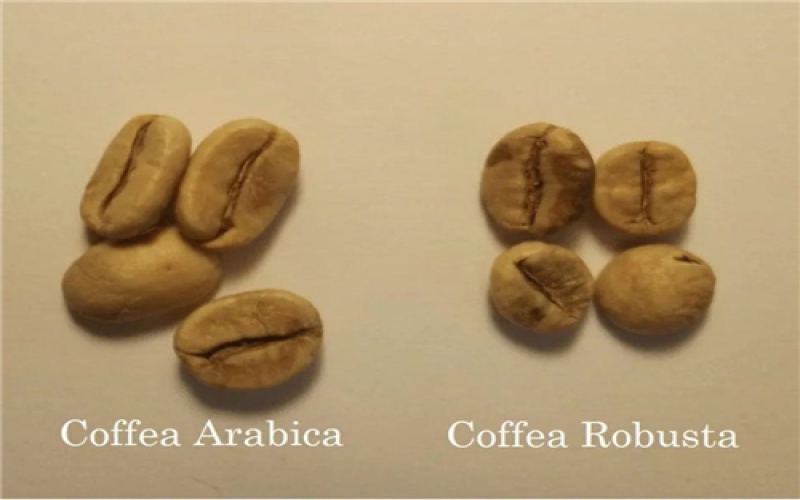
A Complete Guide to Green Coffee Processing Methods: Processing Differences and Flavor Comparison of Natural, Washed, Semi-Washed, and Honey Processes
The processing method of green coffee beans directly determines the flavor direction of the final cup. From fruit to green bean, natural, washed, semi-washed, and honey processing each follow different craft paths, with their own trade-offs in cost, water consumption, and flavor performance. The natural method uses the natural drying of the fruit pulp to give the beans rich fruity aromas and a full-bodied sweetness, while the washed method removes pectin through fermentation, bringing a clean and bright acidity. Semi-washed seeks a balance between the two, and honey processing retains part of the pectin layer and dries directly, enhancing sweetness and body. Understanding the principles and pros and cons of each processing method is an important foundation for coffee lovers to understand flavor differences. This article will also recommend a number of representative processing-method coffee beans from Front Street Coffee for daily purchasing reference. [more…]
Comparing Washed and Natural Coffee Processing Methods: Flavor Characteristics of Washed Beans, Common Brewing Methods, and Front Street Coffee Examples
Washed and natural are two completely different paths in coffee post-processing. The former centers on fermenting and washing after removing the pulp, while the latter dries the beans with the pulp still intact. The washed method breaks down pectin through soaking and fermentation during processing, ultimately presenting a clean, bright acidity with citrus-lemon notes; the natural method relies on continuous sunlight and yields a richer, fuller-bodied flavor. Each method has its own processing advantages and limitations, and each directly shapes the direction of the flavor in the cup. A 2001 study confirmed the cause of the higher acidity in washed beans from the perspective of pH and organic acid changes. Front Street Coffee offers both the balanced, full-bodied "Front Street Jamaica Blue Mountain" and the bright, elevated-acidity "Front Street Kenya" and "Front Street Washed Yirga," with brewing parameters varying from bean to bean. [more…]
Sun-Dried, Washed, Semi-Washed, and Honey Processing: A Full Analysis of the Flavor Differences Among Four Pour-Over Coffee Processing Methods
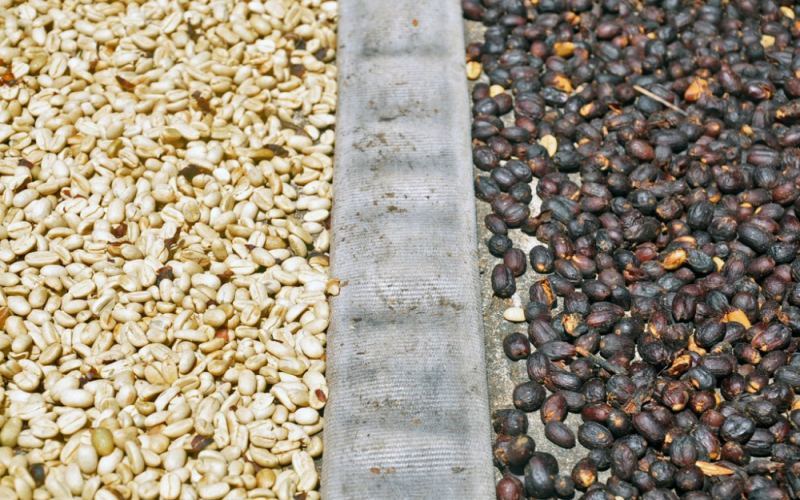
From the branch to the cup, coffee cherries must undergo a series of processing steps, and the different processing methods directly determine the flavor profile of the final coffee beans. The four traditional processing methods—natural, washed, semi-washed, and honey—each exhibit distinctly different characteristics in terms of cost, acidity, sweetness, body, and cleanliness. Starting from the structure of the coffee cherry, this article will break down the complete process, advantages, and disadvantages of each processing method one by one, and pair them with specific bean recommendations from the Front Street Coffee brand, helping coffee enthusiasts build a clear framework for understanding flavor and find the one that best suits their taste in everyday pour-over choices. [more…]

Washed Coffee Beans Pros and Cons | What Is the Washed Processing Method for Green Coffee? How Are Washed Beans Roasted? Recommended Delicious Washed Single-Origin Beans from African Regions
Everyone's demand for coffee is growing stronger by the day, with global coffee bean production reaching as high as 8.4 billion kilograms annually—an astonishing output. When it comes to coffee, Front Street believes that beyond variety, origin, and cultivation methods, there is another important process that influences coffee flavor: coffee bean processing methods. Different processing methods for coffee beans [more…]